

One of the most critical decisions in mobile app development is choosing between native and cross-platform approaches. As a software agency that has developed numerous mobile applications, we’ve seen how this choice can significantly impact project success, timeline, and budget.
Understanding the Options
Native Development
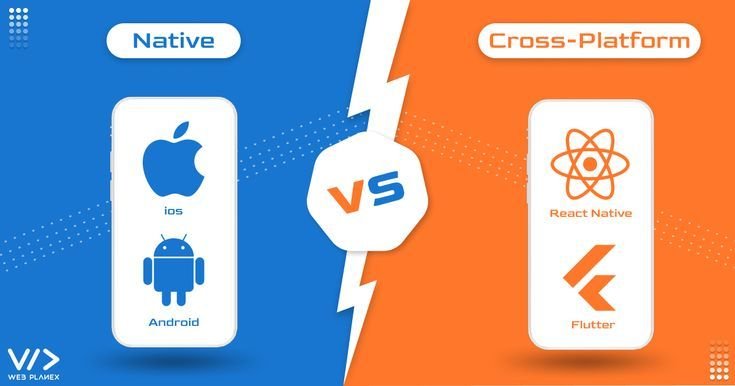
Native apps are built specifically for one platform using platform-specific programming languages:
- iOS: Swift or Objective-C
- Android: Java or Kotlin
Cross-Platform Development
Cross-platform frameworks allow developers to write code once and deploy across multiple platforms. Popular frameworks include:
- React Native: Our preferred choice for mobile development
- Flutter: Google’s UI toolkit
- Xamarin: Microsoft’s cross-platform solution
When to Choose Native Development
Performance-Critical Applications
For apps requiring intensive processing, complex animations, or real-time performance, native development often provides the edge needed.
Platform-Specific Features
When your app heavily relies on platform-specific features like advanced camera functionality, augmented reality, or deep OS integration, native development ensures optimal implementation.
Long-Term Investment
If your app is a core business asset with a long-term roadmap, the investment in native development often pays dividends in performance and user experience.
When Cross-Platform Makes Sense
Faster Time to Market
Cross-platform development can reduce development time by 30-50%, allowing you to reach market faster with both iOS and Android versions simultaneously.
Budget Constraints
With development costs starting at ₹9,999, our cross-platform solutions offer significant cost savings compared to developing separate native apps.
Consistent User Experience
Cross-platform frameworks ensure consistent UI/UX across platforms, which is particularly valuable for business applications and productivity tools.
Our React Native Approach
At Califnco Technologies, we’ve chosen React Native as our primary cross-platform framework for several reasons:
Performance Optimization
React Native bridges JavaScript and native code efficiently, providing near-native performance for most applications.
Code Reusability
Up to 90% of code can be shared between iOS and Android, significantly reducing development and maintenance costs.
Active Community
With backing from Meta (Facebook) and a massive developer community, React Native ensures long-term support and continuous improvement.
Case Study: Health & Fitness App Development
Our current Health & Fitness App project demonstrates the power of cross-platform development. Using React Native with Django backend and AI integration, we’re building a comprehensive solution that:
- Provides personalized fitness recommendations
- Tracks dietary habits with AI analysis
- Offers seamless experience across iOS and Android
- Integrates with wearable devices
Making the Right Decision
Consider these factors when making your choice:
Budget and Timeline
- Cross-platform: Lower cost, faster development
- Native: Higher cost, longer timeline
Performance Requirements
- Cross-platform: Suitable for most business applications
- Native: Essential for performance-critical apps
Maintenance and Updates
- Cross-platform: Single codebase, easier maintenance
- Native: Separate codebases, more complex maintenance
Our Recommendation
For 80% of mobile applications, cross-platform development with React Native provides the optimal balance of performance, cost-effectiveness, and time to market. However, each project is unique, and we always evaluate specific requirements to recommend the best approach.
Ready to start your mobile app project? Contact us to discuss which approach is right for your business goals and budget.